

Peak Performance: How Jiu-Jitsu Improves Physical Conditioning
Brazilian Jiu-Jitsu (BJJ) is often celebrated for its strategic depth and technical complexity. However, its impact on the human body is equally profound and transformative. Many people join an academy primarily to learn self-defense or a new hobby. They quickly discover that BJJ is a metabolic powerhouse that demands every ounce of physical effort. This martial art challenges your cardiovascular system, muscular endurance, and overall mobility simultaneously. This comprehensive article explores the specific ways Jiu-Jitsu improves physical conditioning. It details the physiological changes that occur when you commit to a consistent practice. Whether you are a professional athlete or a total beginner, understanding these benefits is vital. Learn how our fitness training program can revolutionize your health and performance today.
brazilian jiu jitsu in research forest
1. The Cardiovascular Engine: Aerobic and Anaerobic Training
The most immediate change practitioners notice is a significant improvement in their stamina. Unlike traditional gym workouts, BJJ combines two distinct types of cardiovascular conditioning. It requires both long-duration endurance and short bursts of explosive power. This dual-demand system creates a remarkably efficient and resilient heart.
Developing Elite Aerobic Capacity
A typical BJJ class lasts between sixty and ninety minutes of constant movement. During the drilling phase, your heart rate remains at a steady, moderate pace. This consistent activity strengthens the heart muscle and improves oxygen utilization throughout the body. Consequently, practitioners develop the ability to sustain physical effort for extended periods without fatigue. This aerobic base is essential for long-term physical well-being. Over time, your resting heart rate will likely decrease as your cardiovascular system becomes more efficient. Similarly, your recovery time between intense rounds will improve significantly.
Mastering Anaerobic Explosiveness
Rolling, or live sparring, introduces high-intensity anaerobic demands. You must often use maximum effort to secure a sweep or finish a submission. These explosive moments force your muscles to work without sufficient oxygen for short durations. Your body learns to manage lactic acid buildup more effectively during these intense intervals. Therefore, BJJ acts as a form of high-intensity interval training (HIIT). This type of conditioning is incredibly effective for burning fat and increasing metabolic rate. Furthermore, the constant transition between rest and explosion mirrors the demands of real-world self-defense programs. Your body becomes conditioned to handle sudden stress with composure and power.
2. Functional Strength and Muscular Endurance
Standard weightlifting focuses on isolating specific muscles for aesthetic purposes. Conversely, Jiu-Jitsu builds functional strength that is immediately applicable to real-life movements. Every technique requires the coordinated effort of multiple muscle groups working in unison. This creates a balanced, powerful physique that is built for performance.
The Power of Core Stability
The core is the true engine of every Jiu-Jitsu movement. Whether you are bridging from the bottom or maintaining posture in the guard, your abs and back are engaged. This constant tension builds incredible core strength and stability. Moreover, a strong core protects the spine and improves overall balance in daily activities. You will find that building strong character often begins with building a strong, stable physical foundation. This functional core strength is a hallmark of an elite BJJ practitioner.
Grip Strength and Posterior Chain Development
Grappling requires intense and sustained grip strength to control an opponent’s kimono or wrists. This repetitive action builds massive forearm muscles and finger dexterity. Additionally, BJJ heavily emphasizes the “posterior chain,” which includes the glutes, hamstrings, and lower back. Movements like shrimping and technical stand-ups develop these powerful muscles rapidly. This posterior chain development is crucial for preventing back pain and improving athletic explosiveness. Furthermore, muscular endurance improves because you must hold positions under resistance for several minutes. Consequently, your muscles become dense and resistant to fatigue. This is a central component of our martial arts skills training.
3. Flexibility, Mobility, and Joint Health
Modern sedentary lifestyles often lead to stiff joints and limited range of motion. Jiu-Jitsu provides a dynamic solution to these common physical issues. The art requires you to move your body through unusual and challenging angles constantly. This process naturally increases your overall mobility and joint resilience.
Increasing Range of Motion
A BJJ session involves deep squats, trunk rotations, and limb extensions. These movements act as a form of active stretching that elongates the muscles. Over time, you will notice a significant increase in your flexibility. For instance, your hips will become more mobile, and your shoulders will feel less restricted. This increased range of motion is vital for executing advanced techniques effectively. It also reduces the likelihood of muscle strains during other physical activities. If you want to improve your curriculum and schedule of health, mobility is the key.
Building Resilient Joints
Contrary to popular belief, controlled grappling can actually strengthen your joints. The weight-bearing nature of BJJ increases bone density and strengthens the connective tissues. Ligaments and tendons adapt to the stresses of training by becoming thicker and more resilient. However, this benefit requires proper technique and a focus on safety. Instructors always emphasize “tapping early” to avoid unnecessary joint stress. This balanced approach ensures that you can train for decades while maintaining healthy joints. This focus on longevity is a core philosophy of our BJJ training today.
4. Weight Management and Metabolic Afterburn
Jiu-Jitsu is one of the most effective tools for weight loss and body recomposition. A single hour of rolling can burn between 700 and 1,000 calories depending on intensity. This high caloric expenditure makes it much easier to maintain a healthy weight.
The Science of Metabolic Afterburn
The intense nature of BJJ creates a phenomenon known as Excess Post-exercise Oxygen Consumption (EPOC). This means your metabolism remains elevated for hours after you leave the mat. Your body continues to burn calories at a higher rate as it repairs muscle tissue. Therefore, the fat-burning benefits of a single class extend well into the next day. This metabolic boost is far superior to steady-state cardio like walking or jogging. Consequently, practitioners often see dramatic changes in their body composition within the first few months. You will lose fat and gain lean muscle simultaneously through our daily BJJ classes.
Improving Body Composition and Muscle Tone
BJJ builds a unique type of “wiry” strength and muscle tone. Because it is a bodyweight-oriented sport, you develop muscles that are proportionate to your frame. This results in a lean, athletic look that is synonymous with the BJJ lifestyle. Furthermore, the physical demands of training often lead to better nutritional choices. Practitioners quickly realize that heavy, processed foods negatively impact their performance on the mat. Thus, the sport naturally encourages a holistic approach to health and weight management.
5. Neuromuscular Coordination and Agility
Conditioning is not just about the heart and muscles; it also involves the brain. BJJ requires an incredible amount of coordination and “proprioception.” This is your body’s ability to sense its position in space.
Developing Reactive Agility
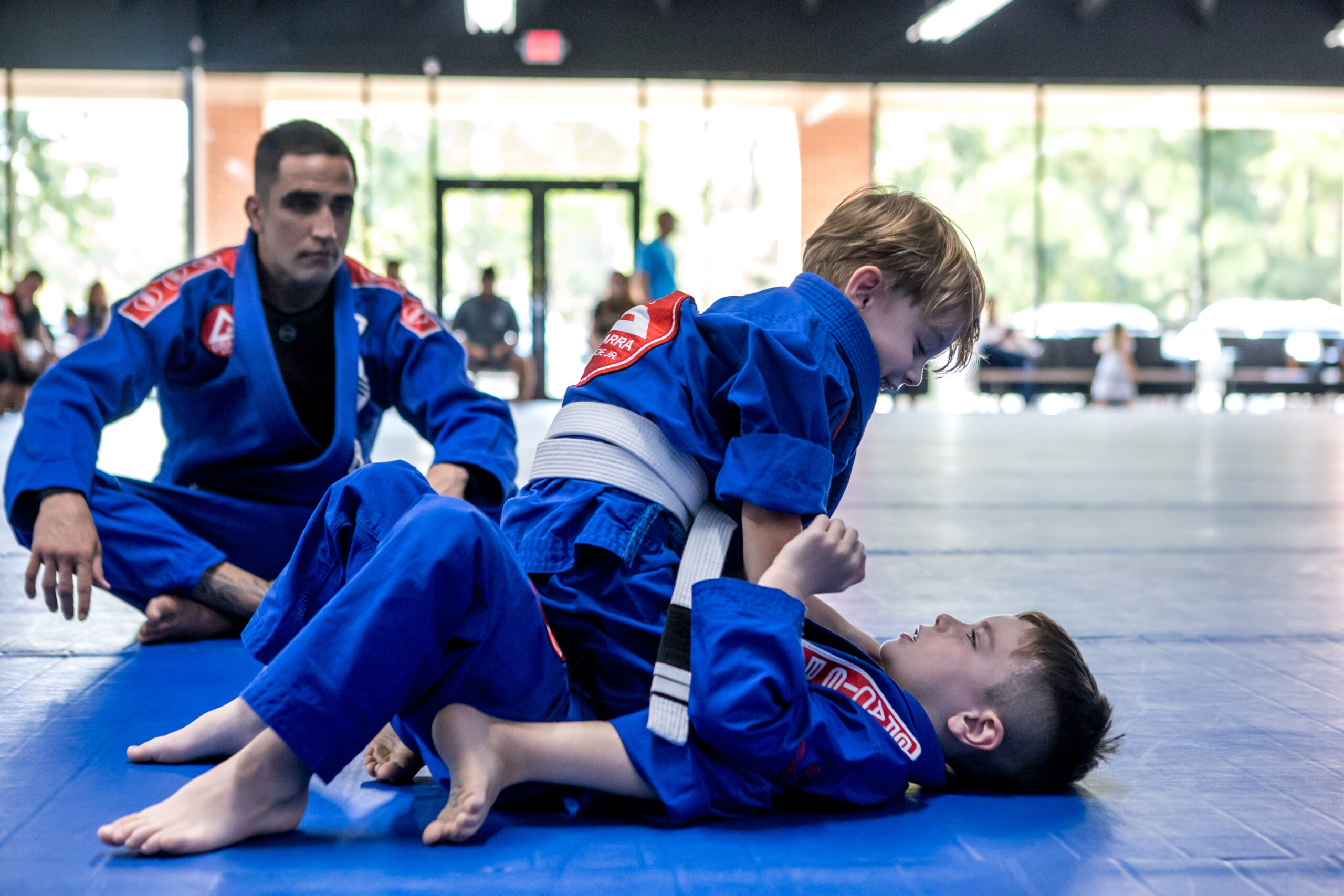
In a live roll, you must react instantly to your opponent’s movements. This forces your nervous system to fire more rapidly and efficiently. You develop the ability to transition between complex positions with fluidity and grace. This “reactive agility” is highly beneficial for preventing falls and injuries in everyday life. It keeps your mind sharp and your reflexes lightning-fast. Building these expert self-defense reflexes is a major goal for many students.
The Connection Between Mind and Body
The intricate techniques of BJJ require precise timing and limb placement. This mental engagement strengthens the neural pathways between the brain and the muscles. You become more aware of how your body moves and how to use leverage effectively. This mind-body connection is a form of cognitive conditioning that complements physical effort. Consequently, BJJ practitioners often feel more “in tune” with their physical selves.
Transform Your Body at GB Research Forest
The journey to peak physical conditioning is a marathon, not a sprint. Brazilian Jiu-Jitsu offers a challenging yet rewarding path to achieving your best self. By engaging your cardiovascular, muscular, and nervous systems, BJJ provides a total-body transformation. You will gain strength, improve your heart health, and develop a resilient mindset. The benefits of this practice will echo through every area of your life. There is no better time than now to invest in your physical future.
brazilian jiu jitsu in research forest
Are you ready to elevate your physical conditioning and unlock your true potential? GB Research Forest provides a premier environment for students of all levels to thrive. Whether you want to lose weight, gain functional strength, or improve your mobility, we have the perfect program for you. Visit our website today to learn about our classes and schedule your first introductory session: Start Your Physical Transformation Today