The Tactical Necessity: Why First Responders Must Train Brazilian Jiu-Jitsu
For police officers, military personnel, and firefighters, the nature of work involves unpredictable and high-stakes physical encounters. These professionals often face situations where split-second decisions determine the safety of themselves and the public. Consequently, having a reliable system for physical control is not just a luxury; it is a vital operational necessity. Brazilian Jiu-Jitsu (BJJ) has become the gold standard for tactical grappling worldwide. It provides a unique framework for managing aggression through leverage and technical precision. This comprehensive guide explores why every first responder in The Woodlands should incorporate BJJ into their routine. Discover how martial arts skills can revolutionize tactical safety and professional performance today.
brazilian jiu jitsu in research forest
1. Professional Control and Non-Lethal Force
The modern landscape of law enforcement and public safety demands a high level of restraint. Professionals must subdue resisting individuals while minimizing the risk of permanent injury to all parties involved.
Mastering the Art of Compliance
Unlike striking-based martial arts, BJJ focuses primarily on controlling an opponent’s movement through positional dominance. Police officers can effectively pin a suspect using their own body weight and leverage. This allows them to wait for backup or apply handcuffs without resorting to strikes. Furthermore, techniques like joint locks and specialized holds provide clear paths to compliance. These methods are much more effective than relying on brute strength alone. Therefore, BJJ serves as an essential tool for maintaining the “force continuum” appropriately. Our self-defense programs prioritize these ethical and effective control methods.
Reducing Liability and Enhancing Public Trust
Every use-of-force incident is heavily scrutinized by the public and legal authorities. When a first responder uses technical grappling instead of striking, the visual perception of the encounter changes. It demonstrates a high level of professional training and personal restraint. Consequently, this proficiency reduces the likelihood of excessive force complaints and legal liabilities for the department. Building this level of expertise is a core component of building strong character within the tactical community. It fosters a culture of professionalism that strengthens the bond between first responders and the citizens they protect.
2. Occupational Safety and Injury Prevention
First responders face a high risk of musculoskeletal injuries during physical altercations or rescue operations. BJJ training provides the physical conditioning necessary to withstand these demanding tasks.
Developing Functional Tactical Strength
Standard gym routines often fail to prepare the body for the dynamic movements of a struggle. Conversely, BJJ builds functional strength in the core, posterior chain, and grip. These are the exact muscle groups required to lift heavy equipment or drag a person to safety. Firefighters, in particular, benefit from the enhanced stability and endurance gained on the mats. This conditioning helps prevent common injuries like lower back strains and shoulder dislocations. Consistently following a fitness training program based on BJJ principles ensures a longer and healthier career.
Learning the Science of Safe Falling
Firefighters and police officers frequently operate in environments where slips and falls are likely. BJJ teaches the fundamental art of “breakfalling,” or Ukemi. This skill allows a professional to hit the ground safely without sustaining head or wrist injuries. By learning how to distribute the force of impact, they can recover quickly and stay in the fight or continue the rescue. This reflexive ability is an invaluable asset in the field. It contributes significantly to their long-term physical well-being and operational readiness.
3. Mental Resilience and Stress Inoculation
The psychological demands of being a first responder are immense. Professionals must remain calm and analytical while their heart rate is skyrocketing during an emergency.
Staying Calm in the “Storm”
Live sparring in BJJ is a form of controlled stress inoculation. It forces you to problem-solve while someone is actively trying to control or submit you. This environment mimics the “fight or flight” response experienced during real-world tactical encounters. Over time, the brain becomes accustomed to this high-pressure state. Consequently, the first responder learns to maintain a low heart rate and clear head during a crisis. This mental clarity is often the difference between a successful resolution and a catastrophic failure. Mastering this composure is a hallmark of BJJ training today.
Managing Fatigue and Decision-Making
Physical exhaustion is the primary cause of poor decision-making during an encounter. BJJ teaches you how to move efficiently and conserve your energy while under duress. When you are technically proficient, you do not need to rely on explosive, tiring movements. Instead, you use leverage to keep your opponent controlled with minimal effort. This energy conservation allows you to remain sharp and decisive throughout the entire duration of a conflict. This level of endurance is a key focus of our curriculum and schedule for tactical professionals.
4. De-escalation Through Personal Confidence
There is a direct correlation between a professional’s physical competence and their ability to de-escalate a situation verbally. Confidence on the mats translates to confidence in the street.
The Aura of Calm Authority
An officer who knows they can handle a physical confrontation is less likely to feel threatened. This lack of fear allows them to speak with a calm, assertive, and respectful tone. Conversely, an officer who feels insecure about their physical skills may overcompensate with aggression or premature use of force. Therefore, BJJ training actually reduces the need for physical intervention through the projection of quiet authority. This psychological edge is an essential part of excellence in self-defense training.
Setting and Enforcing Boundaries
First responders often deal with individuals who are intoxicated, mentally ill, or simply highly agitated. BJJ provides the tools to set physical boundaries effectively. If someone enters your personal space, you know exactly how to manage that distance safely. You can use non-aggressive frames and positioning to maintain your safety while continuing to communicate. This proactive approach prevents many situations from escalating into a full-blown struggle. It is a vital component of modern martial arts skills.
5. Community and Peer Support for First Responders
The “First Responder” community is a tight-knit group that often deals with high levels of career-related stress and PTSD. The BJJ academy provides a healthy outlet for this pressure.
A Healthy Outlet for Operational Stress
The camaraderie found on the mats is very similar to the brotherhood found in the military or fire department. Training provides a space where you can disconnect from the trauma of the job and focus on personal growth. The physical exertion releases endorphins that combat anxiety and depression effectively. Furthermore, the social bonds formed with training partners provide a vital support network. This sense of belonging is crucial for maintaining mental health throughout a demanding career. Our jiu jitsu gym in the woodlands is a sanctuary for those who serve.
Leading by Example in the Community
When first responders train alongside civilians, it humanizes them in the eyes of the community. It shows that they are dedicated individuals committed to self-improvement and safety. This shared experience builds bridges and fosters mutual respect between the public and those in uniform. It is a powerful way to demonstrate the values of discipline, humility, and hard work.
Elevate Your Tactical Edge at GB Research Forest
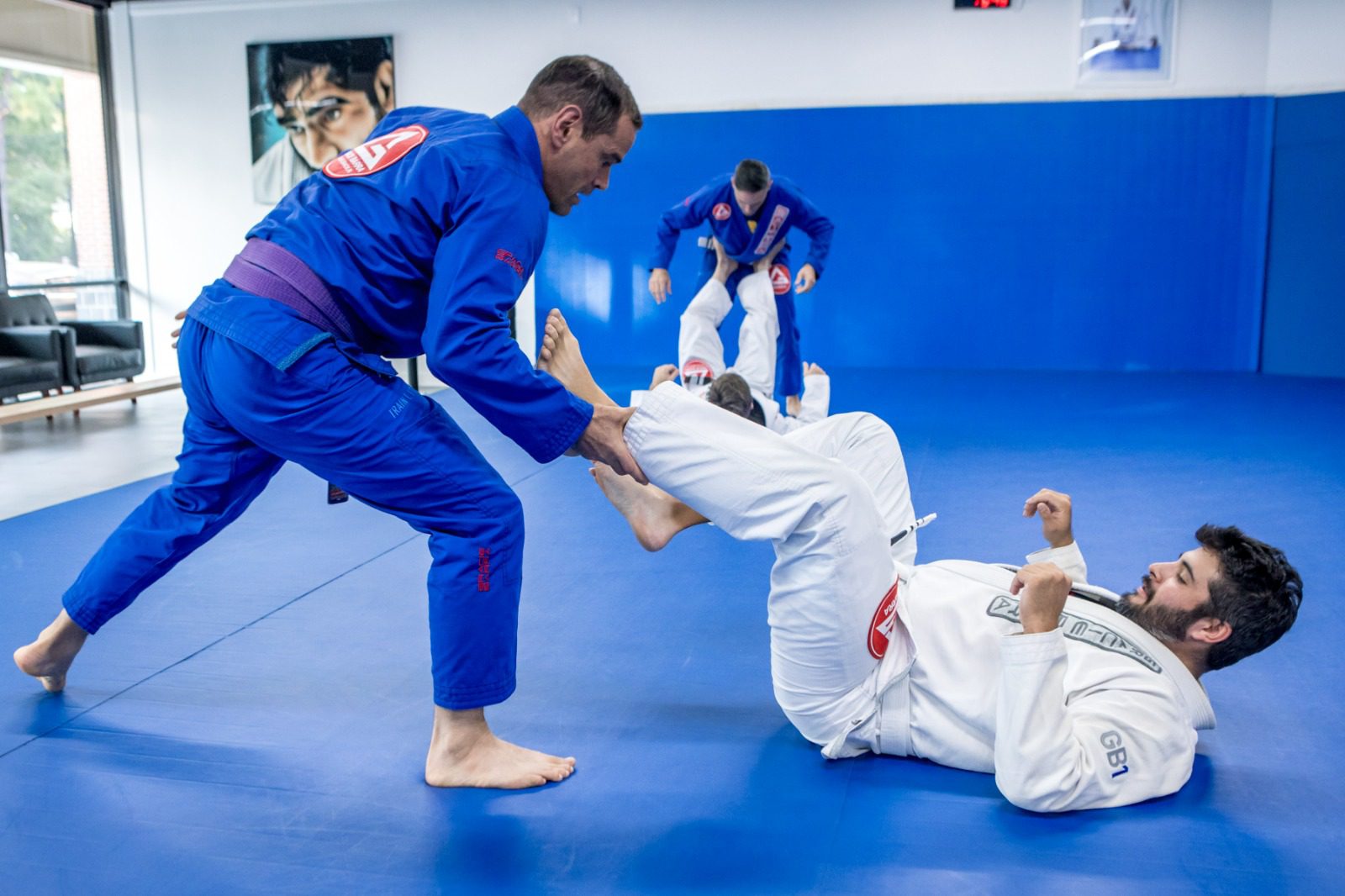
Brazilian Jiu-Jitsu is the ultimate force multiplier for first responders. It provides the physical tools for control, the mental resilience for crisis management, and the social support for career longevity. By committing to the mats, you are investing in your own safety and the safety of the community you serve. The skills you learn at our academy will follow you every time you put on your uniform.
brazilian jiu jitsu in research forest
Are you a police officer, firefighter, or military member in The Woodlands looking to sharpen your tactical skills? GB Research Forest offers a professional environment tailored to the needs of first responders. Our instructors provide specialized training in control, de-escalation, and physical conditioning. Visit our website today to learn about our specific programs and schedule your introductory session: Start Your Tactical Training Today